A Dream

Published: 1827

In this poem...

  • A man in deep sadness compares his dark and hopeful dreams.
  • His rare daydreams of joy only make reality feel more painful.
  • Those brief flashes of light are truer, yet crueler, than his constant gloom.
Cite
Edgar Allan Poe icon

Edgar Allan Poe

Poet Guide
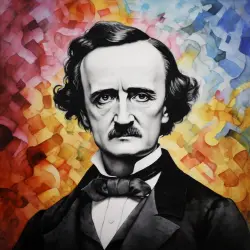
Edgar Allan Poe is one of the most popular horror and mystery writers of all time.
His work during the 19th century defined multiple genres.

Key Poem Information

Central Message icon

Central Message: Dreams bring hope but also sadness

Speaker icon

Speaker: A person caught in sadness

Poetic form icon

Poetic Form: Quatrain

Emotions evoked icon

Emotions Evoked: Depression, Fear, Grief, Hope, Sadness

Time period icon

Time Period: 19th Century

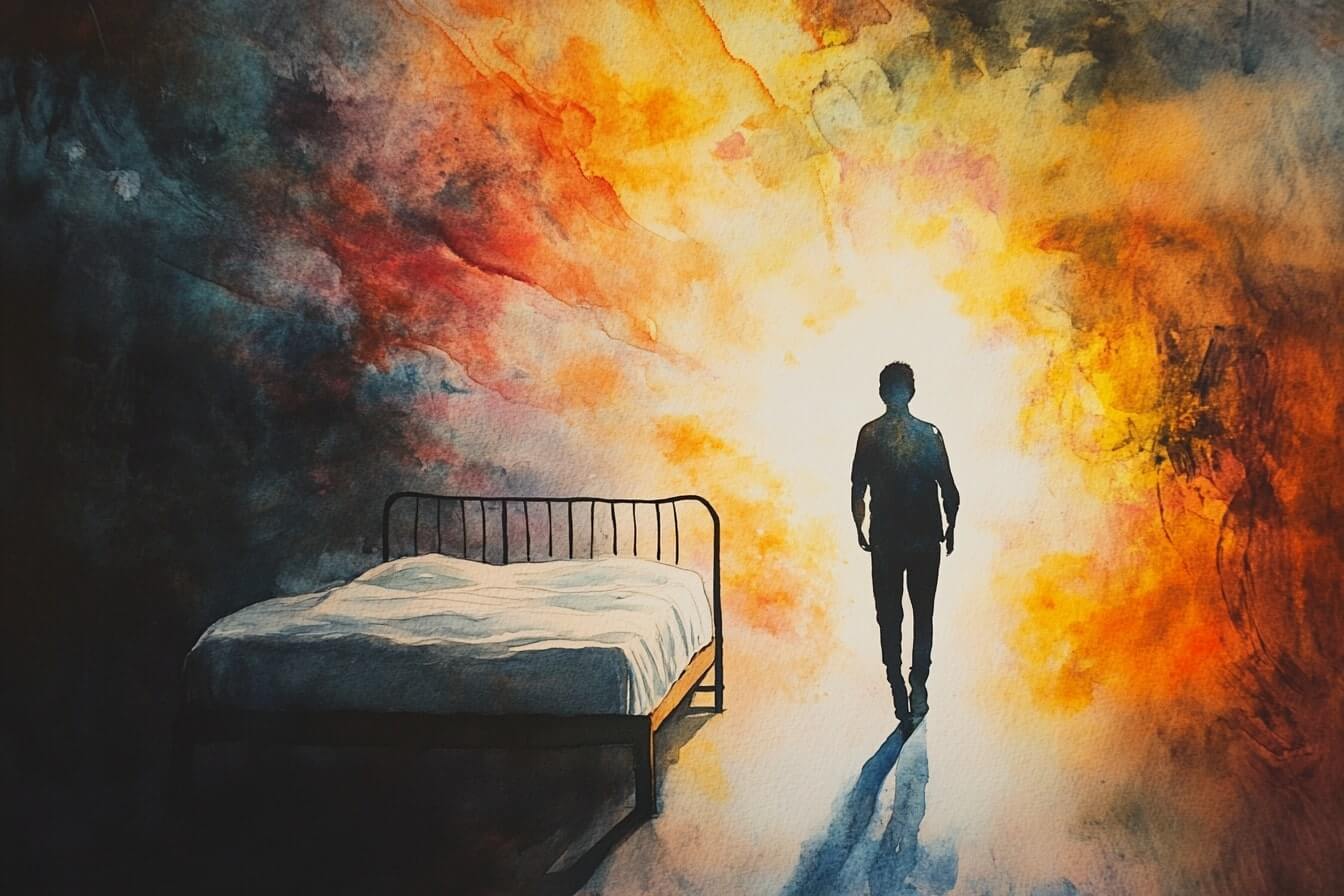
A Dream By Edgar Allan Poe Visual Representation

In ‘A Dream,’ Poe reflects on the emotional ups and downs of longing for something you can’t have, creating a feeling of sadness and hope.

Emma Baldwin

Poem Guide by Emma Baldwin

B.A. English (Minor: Creative Writing), B.F.A. Fine Art, B.A. Art Histories

‘A Dream‘ by Edgar Allan Poe is a four stanza poem that is made up of sets of four lines, or quatrains. These quatrains follow the rhyme scheme of, abab cdcd efef ghgh. 

This poem is all about how the speaker feels trapped between hope and sadness. The dreams that bring brief moments of happiness end up causing more pain. It’s not so much about a story but more about the feelings the speaker has. Keep in mind that it explores deep emotions, so you might feel a sense of longing or even sadness while reading.

Get this Poem as a Printable PDF

Log in or join Poetry+ to access unlimited Poem PDFs.

Poem Printables
A Dream
Edgar Allan Poe

In visions of the dark nightI have dreamed of joy departed—But a waking dream of life and lightHath left me broken-hearted.

Ah! what is not a dream by dayTo him whose eyes are castOn things around him with a rayTurned back upon the past?

That holy dream—that holy dream,While all the world were chiding,Hath cheered me as a lovely beamA lonely spirit guiding.

What though that light, thro' storm and night,So trembled from afar—What could there be more purely brightIn Truth's day-star?

A Dream by Edgar Allan Poe
Poem Guide
Get PDFs

A Dream A Dream

Edgar Allan Poe

Fully understand this poem faster with a Poetry+ membership and get the core resources you need in one place


Summary

‘A Dream’ by Edgar Allan Poe describes a speaker waking and dreaming state and the brief moments of light and hope he experiences.

The speaker begins this piece by introducing a dark dream that he was subject to. This dream, and the emotions he experienced during it, are not unfamiliar to him. He is often consumed by the darkness that these thoughts bring. He is far from being a stranger to it. In contrast, he says that having a good dream would be much more shocking as it is so different from his normal life. If this was to happen, as it does in the form of daydreams, the speaker would be broken-hearted when he returned to the real world. 

As he continues on he describes the kind of life he is living in which he is stuck in a pessimistic, backward-looking rut. Throughout his days he walks with his eyes on the past, unseeing of all that is currently before him. The only times he is roused from this state is by a waking dream in which light guides him to some happier emotion. 

Finally, the speaker concludes by saying that these daydreams are all the more poignant because they are so pure and true. They are much more impactful and meaningful than the light of the morning after a night of bad dreams. 

Expert Commentary

Angel Nicolin

Insights by Angel Nicolin

Bachelor of Secondary Education in English and M.A. in English

This poem really resonates with me. The way the speaker experiences fleeting moments of hope, only to be left feeling empty, mirrors the ups and downs I often feel in life. It captures the pain of longing for something that feels just out of reach. I also appreciate the poem's structure, with its simple yet impactful quatrains. The rhyme scheme keeps the flow steady, almost like the rhythm of our own thoughts—sometimes clear, sometimes disjointed. It’s a perfect way to express the conflict between dreams and reality, something I think many of us can relate to.    


Analysis of A Dream 

Stanza One 

In visions of the dark night 

I have dreamed of joy departed— 

But a waking dream of life and light 

Hath left me broken-hearted. 

The poem begins with the speaker describing the basics of a dream that he was subject to. This dream was filled with “visions of the dark night.” It held nothing but blackness for him and left an impression that would last throughout the following day. Strong enough, if one is to make this assumption, to lead him to write this poem. 

The next lines tell the reader that the most crucial part of the dream was a general feeling that “joy departed.” It is at this point in the poem, in the second set of lines in the first stanza, that a twist changes the reader’s perspective. One might have assumed at this point that the poem was going to detail the horrors that the speaker, perhaps the poet himself, witnessed while he was sleeping, this is not the case. 

The speaker states that this dream he had was nothing to him, it did not change his outlook on life because his emotions were already dark and depressed. For him, what is truly horrifying is, while living in his dark world, to have a daydream of “life and light.” This is what scares him. When this does happen to him, it leaves him with a broken heart for all the things he does not, and cannot, have. 

Stanza Two 

Ah! what is not a dream by day 

To him whose eyes are cast 

On things around him with a ray 

Turned back upon the past? 

The second stanza expands the speaker’s reach out to those who might be experiencing a similar phenomenon. He speaks from experience when he says that to those whose “eyes are cast…with a ray” towards the past, everything is a dream.

The speaker is describing a state of living in which one is unable to interact with the real world, and is consumed by what happened in the past, in the same places in currently inhabits. When a man or woman lives this way, their life is like a waking dream. 

Stanza Three 

That holy dream—that holy dream, 

While all the world were chiding, 

Hath cheered me as a lovely beam 

A lonely spirit guiding. 

Once more the speaker turns inward. While he has stated previously that happy, light daydreams, have injured him, he now touts their impact. He remembers the moments of hope and happiness he experienced for the future, as “holy.” They are moments that go beyond his everyday drear into the realm of the divine. 

They are, for him, an escape from the world that asks all of its “chiding,” or scolding. He can leave his life behind and be “cheered” by outrageous, or implausible, hopes for the future. These images act like a “guide,” a type of “lonely spirit” that helps him through his every day. It is important to remember though that this moment of peace will lead to a “broken heart” when it departs. 

Stanza Four 

What though that light, thro’ storm and night, 

So trembled from afar— 

What could there be more purely bright 

In Truth’s day-star? 

In the final stanza of this piece, the poet contrasts the world he is living in and the hope he sometimes feels, to the coming of the morning after a terrible dream.

He believes that the “purely bright” dreams of his waking life are much more true than the light he experiences on waking from a dream. Although the daylight takes him out of what might have been a terrible vision, the daydreams are still more powerful. 

About Edgar Allan Poe

Edgar Allan Poe was born on January 19, 1809 in Boston, Massachusetts. Both of his parents died before he reached the age of three and he was raised as a foster child in Virginia. As a young man, Poe was sent to some of the best schools in the state and excelled in his studies. Unfortunately, his success was mired by his bad habits. He was forced out of university after his foster father refused to pay Poe’s gambling debts. 

In 1827, Poe joins the United States Army and published his first collection of poems, Tamerlane and Other Poems. His second collection was published two years later. Neither of these volumes received praise from the public. Poe would eventually make a home for himself alongside his aunt and cousin, Virginia, in Baltimore, Maryland. 

In 1835, Poe was to become the editor of the Southern Literary Messenger, and the next year he married his thirteen-year-old cousin. Throughout the next years of his life, he edited a number of magazines and made a name for himself as a writer and editor. It was also during this time that he wrote some of his best-known stories such as, “The Fall of the House of Usher,” and “The Murders in the Rue Morgue.” 

Poe’s wife and cousin would die in 1847 from tuberculosis, causing a deepening of his depression and worsening of his alcoholism. To this day there is a mystery surrounding his death. He was found on October 3, 1849, semi-conscious in Baltimore. He died four days later of what was then called, “acute congestion of the brain.” It is now thought that he had perhaps contracted rabies. 

Poetry+ Review Corner

A Dream

Explore an expert's insights on this poem. Join Poetry+ to instantly unlock fully understanding the poem.

Edgar Allan Poe

68
Edgar Allan Poe is known for his dark, emotional poetry, and 'A Dream' is one of his many pieces that shows his struggles with feelings of despair and longing. While this poem is important, it’s not as famous as some of his other works like 'The Raven.' Still, it’s a good example of his ability to capture deep emotions, especially sadness and the fleeting moments of hope.

19th Century

60
'A Dream' was published in 1827, during the 19th century. This was a time when writers focused a lot on emotions, personal struggles, and what goes on in the mind. Poe’s poem fits perfectly into that era, as it reflects his dark thoughts and the theme of finding hope in a world that feels full of despair. It shows the personal, emotional side of life during that time.
To unlock full analysis, or join Poetry+

American

65
Edgar Allan Poe was American, born in Boston. His works, including 'A Dream,' are linked to the United States, though the feelings he talks about, like loneliness and sadness, are universal. The poem speaks to personal struggles that anyone can relate to, no matter where they’re from. It also gives a glimpse into the tough times Poe went through in his life in 19th-century America.
To unlock full analysis, or join Poetry+

Death

52
Death shows up subtly in the poem through the speaker's feelings of despair and emptiness. His dark dreams are like a kind of emotional death, and the fleeting happiness from his daydreams only makes his sadness feel more intense. The poem speaks to the heaviness of living with such sadness, as though part of him has already died and can’t fully recover from the loss.
To unlock full analysis, or join Poetry+

Disappointment

67
Disappointment plays a big role in the speaker’s life. His dreams give him a taste of joy, but reality always pulls him back to sadness. Even though his dreams offer some hope, they are fleeting, and he’s left with the disappointment of what could have been. This constant letdown, when the dreams vanish, leaves him longing for something more but knowing he can't fully reach it.
To unlock full analysis, or join Poetry+

Dreams

73
Dreams are the main focus in this poem. The speaker talks about how dreams can be both an escape and a source of pain. While his dreams bring moments of light and hope, they quickly fade and leave him feeling even more broken-hearted. Dreams offer a temporary break from the harsh reality, but they also remind him of everything he can't have, making them bittersweet.
To unlock full analysis, or join Poetry+

Failure

60
Failure is a central feeling in this poem. The speaker seems stuck in a cycle of hope and disappointment. His dreams give him a brief escape, but they never last, and he’s left feeling like he has failed to reach the joy he seeks. No matter how much he yearns for something better, he feels trapped, unable to fully escape his sadness or find lasting happiness.
To unlock full analysis, or join Poetry+

Spirituality

57
Spirituality in the poem comes through the speaker's view of his dreams as something “holy.” These dreams, even though they are fleeting, feel like a guiding light for him, almost like a spiritual force leading him out of his darkness. They offer brief moments of peace and comfort, though they don’t last. His spirituality is linked to these dreams that seem to give him hope, even if just for a short time.
To unlock full analysis, or join Poetry+

Depression

58
The speaker’s depression is clear throughout the poem. He feels trapped in his own thoughts and emotions, unable to escape the dark feelings that come with each new day. The dreams that offer him some hope make his depression feel even worse, as they highlight the gap between what he wants and what he has. His struggle with these feelings feels never-ending.
To unlock full analysis, or join Poetry+

Fear

53
Fear is felt when the speaker talks about his dreams. The brief flashes of light and happiness scare him because they remind him of everything he cannot have. His fear comes from the idea that even though hope appears, it always disappears, leaving him with nothing. He’s afraid that he will never truly escape his sadness or experience lasting happiness.
To unlock full analysis, or join Poetry+

Grief

60
Grief is another strong emotion in the poem. The speaker mourns for the joy he feels he will never have. Even though he experiences fleeting moments of hope, they only remind him of how much he is missing. The grief of not being able to hold onto those moments of happiness makes him feel lost and stuck in a life of longing and sadness.
To unlock full analysis, or join Poetry+

Hope

65
Hope is a big emotion in the poem. The speaker holds on to the brief moments when his dreams bring him light and happiness. Even though these dreams are short-lived, they give him a sense that something better is possible. Hope is what keeps him going, even though it eventually fades, leaving him longing for something more that he can never quite reach.
To unlock full analysis, or join Poetry+

Sadness

61
Sadness runs deep in the poem. The speaker seems to live in a constant state of sorrow, where moments of joy feel far away. His dreams offer a brief escape, but they only remind him of what he is missing in his life. This sadness is overwhelming, and it feels like a weight that keeps him from truly experiencing happiness, no matter how hard he tries.
To unlock full analysis, or join Poetry+

Death of a Loved One

66
The speaker’s sense of loss in the poem can be linked to grieving someone important. Though he’s not directly mourning a person, he grieves for the happiness he feels he has lost. The fleeting moments of joy in his dreams only remind him of what’s missing, which is a powerful feeling that can come from losing someone dear to you.
To unlock full analysis, or join Poetry+

Heartbreak

57
Heartbreak is deeply felt in the poem. The speaker experiences brief moments of hope, only to have them vanish, leaving him feeling empty. It’s like chasing something you can almost touch, but it slips away just as you think you’ve caught it. This feeling of loss, especially when it’s tied to dreams and desires that never come true, is a central emotion in the poem.
To unlock full analysis, or join Poetry+

Isolation

60
Isolation is a strong feeling in the poem. The speaker feels distant from happiness, and his moments of peace in dreams only highlight how alone he feels. Once the dreams fade, he’s left in a quiet space of longing and emptiness. This isolation can make life feel much harder, as the speaker struggles to find connection or lasting relief.
To unlock full analysis, or join Poetry+

Life Struggles

67
The poem shows how life can feel like an ongoing battle. The speaker is stuck in a cycle where his dreams offer him a brief sense of hope, but it quickly fades. His constant struggle to hold on to something positive, only to be left disappointed, reflects the challenges many people face when dealing with tough times that seem never-ending.
To unlock full analysis, or join Poetry+

Loneliness

64
Loneliness is a big part of the speaker’s life in the poem. Even when he has dreams that bring him some comfort, they don’t last. When they fade, he’s left with a feeling of emptiness. The poem paints a picture of how loneliness can feel like a constant companion, making it hard to find lasting happiness or peace.
To unlock full analysis, or join Poetry+

Memory

61
Memory plays a key role in the speaker’s emotional state. He’s always looking back at the past, unable to move forward or find joy in the present. The memories, both good and bad, keep him stuck in a loop of longing. This shows how powerful memories can be, often shaping how we see our current situation and making it hard to find peace.
To unlock full analysis, or join Poetry+

Overcoming Adversity

59
The poem captures the difficulty of overcoming personal struggles. The speaker dreams of a better life, but the weight of his sadness always brings him back to the harsh reality. His inability to move past his emotional barriers shows just how hard it can be to overcome adversity when hope always seems just out of reach.
To unlock full analysis, or join Poetry+

Quatrain

55
The poem follows a Quatrain form, meaning it’s made up of four-line stanzas. Each stanza is structured with a specific rhyme scheme—abab, cdcd, efef, and ghgh—where the first and third lines rhyme, as do the second and fourth lines. This structure gives the poem a rhythmic flow, making it feel both regular and structured while still allowing for emotional depth and variation in its mood.
To unlock full analysis, or join Poetry+

Lyric

55
The poem fits into the Lyric genre. A lyric poem is one that expresses personal feelings or emotions, usually from the speaker’s point of view. In this poem, the speaker is reflecting on their own emotional experiences—sadness, hope, and loss—through dreams. It’s not telling a story, but rather focusing on the speaker’s inner thoughts, making it a perfect example of lyrical poetry.
To unlock full analysis, or join Poetry+

Get PDFs for this Poem

Log in or join Poetry+ to access unlimited Poem PDFs.

Poem Printables
Get the ultimate PDF Guide to understanding poetry,
a One-Pager Snapshot, or a Poem Quiz PDF with answers.
Poem PDF Guide Visual
8.4K+ Total Quizzes Completed
10 Questions
2-5 min Avg. Time

🧠 Take the Quiz!

Test your understanding with instant feedback and detailed explanations.

Instant feedback & explanations
Join monthly leaderboard for prizes
Start instantly, quick & easy

🏆 Leaderboard for this Poem

🚀 Be the First!
Take the quiz now and set the first record. Show everyone what you know!

Emma Baldwin Poetry Expert

About

Emma graduated from East Carolina University with a B.A. in English, minor in Creative Writing, B.F.A. in Fine Art, and B.A. in Art Histories. Literature is one of her greatest passions which she pursues through analyzing poetry on Poem Analysis.
2 Comments
Most Voted
Newest Oldest
Inline Feedbacks
View all comments