


‘Lullaby‘ by Louise Glück was published in her book ‘Ararat‘ in 1990 by The Ecco Press. The poem talks about concepts like death and comfort. The speaker reflects on their mother’s way of calming both the living and the dying, comparing death to sleep. It suggests that death can be peaceful, and emphasizes the mother’s comforting role and the idea that the soul finds freedom beyond the body.
Before reading the poem 'Lullaby' by Louise Glück, here are some things to keep in mind:
- The poem talks about a mother who comforts loved ones as they pass away, comparing it to how she soothes babies to sleep.
- It suggests that death is peaceful, like falling asleep, and not something to fear.
- The poem also explores the idea that after death, the soul may be set free, like how all matter changes and transforms over time.
Lullaby Louise GlückMy mother’s an expert in one thing:sending people she loves into the other world.The little ones, the babies—theseshe rocks, whispering or singing quietly. I can’t saywhat she did for my father;whatever it was, I’m sure it was right.It’s the same thing, really, preparing a personfor sleep, for death. The lullabies—they all saydon’t be afraid, that’s how they paraphrasethe heartbeat of the mother.(...)

 Get PDFs
  Fully understand this poem faster with a
Poetry+
membership and get the core resources you need in one place
Fully understand this poem faster with a
Poetry+
membership and get the core resources you need in one place
Summary
‘Lullaby‘ depicts a mother who comforts the dying, comparing it to how she soothes babies to sleep, suggesting both are peaceful transitions. The poem reflects on death as a natural part of life where the soul is set free, similar to how all matter changes form.
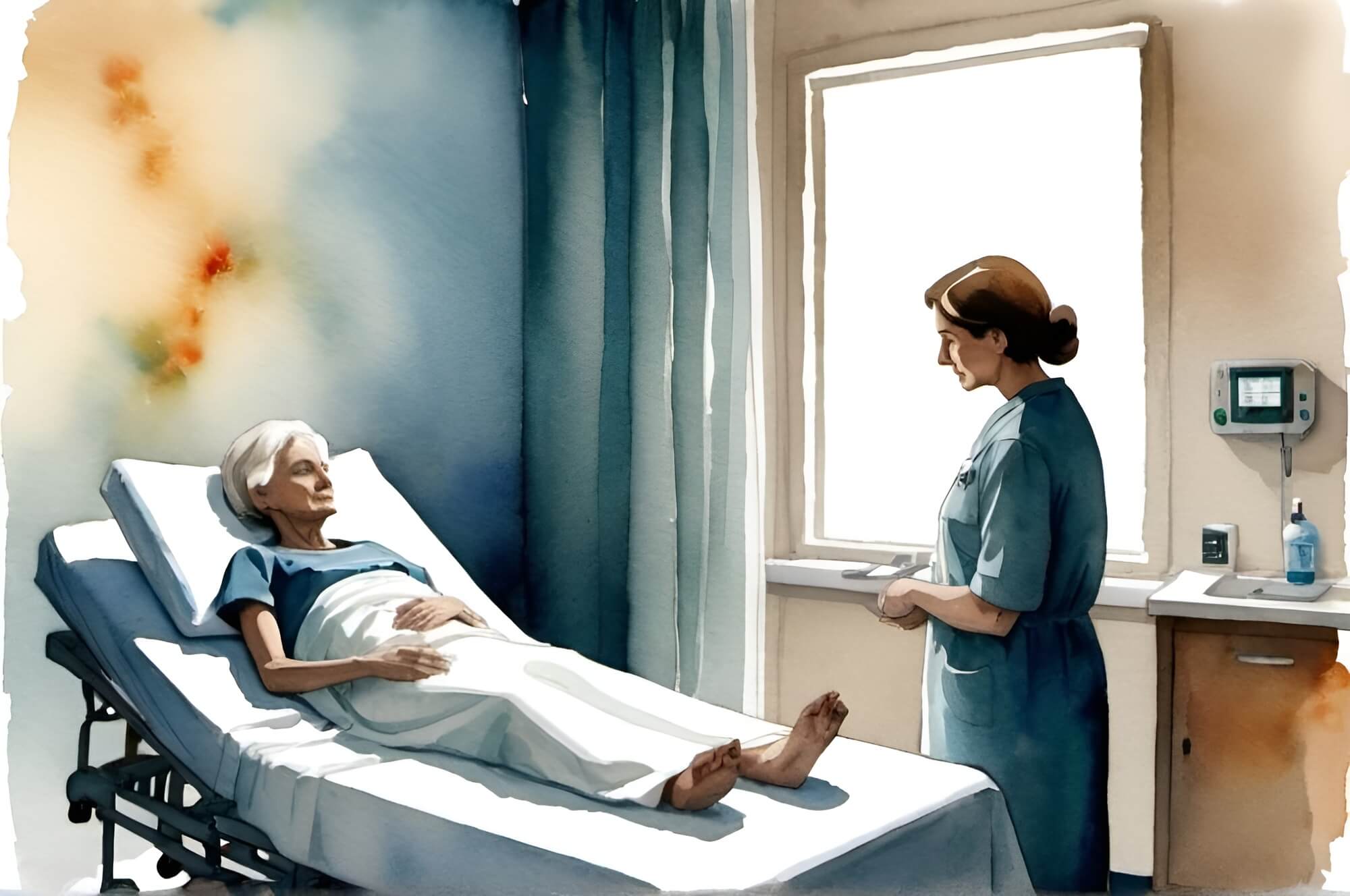
‘Lullaby‘ by Louise Glück is about a mother who is very good at comforting people when they are dying, similar to how she soothes babies to sleep. The speaker describes how the mother gently rocks babies, whispering or singing softly to calm them. This act is compared to preparing someone for death, suggesting that both sleep and death can be peaceful and natural transitions.
The poem explains that lullabies tell us not to be afraid, like the comforting sound of a mother’s heartbeat, which helps the living to relax. However, it notes that the dying often struggles more, described as spinning like tops that eventually fall apart. The speaker remembers how, in their mother’s arms, their sister seemed to turn into a cloud of particles when she died, showing the difference between a sleeping child and someone who has died.
The mother has seen death many times, holding both infants and the elderly as they passed away, watching the darkness of death surround them and turn to earth. The poem ends by comparing the soul to all matter, suggesting that just like everything else, the soul changes form and seeks freedom after death. The mother’s experience and acceptance of this process show her deep understanding of life and death as natural parts of existence.
Expert Commentary

Insights by Angel Nicolin
Bachelor of Secondary Education in English and M.A. in English
Historical Context
The poem was published in 1990 during the growth of the hospice movement, and explores concepts of family, loss, and peaceful transitions, reflecting society’s evolving view of death as a natural and gentle part of life.
‘Lullaby‘ by Louise Glück was published in 1990, which was a time when people were starting to talk more openly about death and dying. During this period, the hospice movement was growing, focusing on comforting people at the end of their lives rather than just trying to cure them. This movement helped people see death as a natural part of life, not something to be afraid of.
Louise Glück often writes about personal and deep emotions, drawing from her own life. The book Ararat, which includes ‘Lullaby,’ talks a lot about family, loss, and finding meaning in life. In ‘Lullaby,’ Glück shows a mother comforting her loved ones as they die, comparing it to how she soothes babies to sleep. This idea matches the growing view at the time that death can be a peaceful transition, much like falling asleep.
Analysis, Stanza by Stanza
Stanza One
My mother’s an expert in one thing:
sending people she loves into the other world.
The little ones, the babies–these
she rocks, whispering or singing quietly. I can’t say
what she did for my father;
whatever it was, I’m sure it was right.
In the first line of the first stanza, the speaker describes their mother as an expert in sending loved ones to the other world. This metaphor creates a sense of mystery and expertise around the mother’s actions, suggesting that she has a deep understanding of this process. The word “expert” also conveys a sense of skill and proficiency in guiding others through the journey to the afterlife.
The second line focuses on the mother’s role in caring for babies and young children. The speaker describes how she rocks the little ones gently while whispering or singing softly. This evokes a sense of tenderness and care in the mother’s actions towards the vulnerable and innocent. The use of sensory imagery, such as rocking and whispering, helps create a soothing and comforting atmosphere in this stanza. These details bring the scene to life and evoke a sense of maternal warmth and protection.
The third line shifts the focus to the speaker’s father, introducing a sense of uncertainty regarding the mother’s actions towards him. The speaker expresses uncertainty about what the mother did for the father, suggesting a lack of clarity or understanding. This ambiguity adds complexity to the relationship dynamics within the family and hints at potential complications or unresolved emotions. The phrase “whatever it was, I’m sure it was right” implies a sense of trust and acceptance in the mother’s actions, even in the face of uncertainty. This line reflects the speaker’s faith in the mother’s choices and decisions, despite not knowing the specifics.
This stanza sets the tone for the poem by emphasizing the mother’s role as a compassionate guide in the face of death. It portrays her as someone who provides comfort and reassurance, whether it’s for a baby falling asleep or a loved one passing away. The stanza also introduces the idea of trust and faith in the mother’s actions, which will be further explored throughout the poem.
Stanza Two
It’s the same thing, really, preparing a person
for sleep, for death. The lullabies–they all say
(…)
So the living grow slowly calm; it’s only
the dying who can’t, who refuse.
In the second stanza, the speaker draws a parallel between preparing a person for sleep and preparing them for death. This comparison adds depth and drama to the narrative, highlighting the cyclical nature of life and how both sleep and death are inevitable transitions. The use of repetition in the phrase “It’s the same thing, really” emphasizes the interconnectedness of these two states and underscores the broadness of human experiences.
The stanza continues by focusing on the comforting nature of lullabies, which serve to reassure and soothe both the living and the dying. The lullabies are described as conveying a message of not being afraid, echoing the heartbeat of the mother. This metaphorical connection between the lullabies and the mother’s heartbeat signifies a sense of security and warmth, suggesting that the maternal presence offers comfort and protection in times of vulnerability.
As the stanza progresses, the speaker contrasts the response of the living and the dying to the calming effects of the lullabies. While the living gradually become calm and finds solace in the reassurances of the lullabies, the dying is portrayed as resistant to this comfort. This juxtaposition creates a sense of tension and sorrow, highlighting the different emotional states experienced by those approaching death. The refusal of the dying to find peace reflects the intricacies of acceptance and fear in the face of finality, adding a layer of emotional depth to the poem.
The second stanza reinforces the idea that death is a natural and peaceful process. It emphasizes the comforting role of lullabies and the heartbeat of the mother in soothing both the living and the dying. The stanza suggests that by accepting death as a part of life and finding comfort in the presence of loved ones, one can find peace and calmness in the face of mortality.
Stanza Three
The dying are like tops, like gyroscopes–
(…)
When a child’s asleep, it’s still whole.
In the third stanza, the poet uses imagery and symbolic language to explore the delicate and deep concepts of life, death, and the nature of existence. The comparison of the dying to tops and gyroscopes in the first line conveys the idea of rapid movement and unpredictability, yet appearing static on the surface. This metaphor suggests the complex and often unnoticed processes that occur within the dying, mirroring the intricate mechanisms of a spinning top.
The use of enjambment in the second line, “they spin so rapidly they seem to be still,” enhances the sense of paradox and ambiguity surrounding the concept of death. This line suggests a paradoxical stillness in the midst of frantic movement, reflecting the fragile boundary between life and death. The contrast between motion and stillness emphasizes the mysterious and transformative nature of the dying process, inviting readers to contemplate the fleeting nature of existence.
The following lines evoke an emotional and intimate scene of loss and vulnerability as the speaker recalls holding their sister in their mother’s arms. The image of the sister as a “cloud of atoms, of particles” conveys a sense of disintegration and dissolution, highlighting the intense transformation that occurs at the moment of death. Through this striking imagery, Gluck emphasizes the fragility and impermanence of life, encapsulating the essence of human death and the transient nature of our physical forms.
The final line, “When a child’s asleep, it’s still whole,” offers a moving contrast to the preceding lines, suggesting a tender and reassuring image of innocence and preservation. This line serves as a comforting reflection on the innocence and purity of childhood, contrasting with the complexities and vulnerabilities of adulthood.
The stanza uses powerful images to convey the idea of change and transformation in death. It suggests that death is not just an end, but a shift into a different form. The imagery creates a strong visual picture of the dying process, highlighting its intensity and the profound nature of the change it brings.
Stanza Four
My mother’s seen death; she doesn’t talk about the soul’s integrity.
(…)
solid around them, finally changing to earth.
In the fourth stanza of ‘Lullaby‘, the speaker reflects on her mother’s experience with death. The line “My mother’s seen death; she doesn’t talk about the soul’s integrity” suggests that the speaker’s mother has witnessed death multiple times but chooses not to discuss the spiritual aspect of it. This creates a sense of mystery and depth, as the unspoken implications of death add a layer of complexity to the speaker’s understanding of mortality.
The next line, “She’s held an infant, an old man, as by comparison the dark grew solid around them,” uses a powerful image to convey the weight and significance of death. By juxtaposing the vulnerability of an infant with the wisdom of an old man, Gluck emphasizes the universal experience of death that transcends age and experience. The imagery of darkness becoming tangible around these individuals adds a sense of foreboding and inevitability, highlighting the inescapable nature of mortality.
Finally, the line “finally changing to earth” brings a sense of finality and transformation to the stanza. Here, death is depicted as a natural process that ultimately leads to a return to the earth, symbolizing the cyclical nature of life and death.
The fourth stanza highlights the mother’s experience and acceptance of death. It suggests that she has a grounded and realistic view of death, focusing on the physical aspects rather than abstract ideas about the soul. The stanza also emphasizes the universal nature of death, showing how it affects people of all ages and stages of life.
Stanza Five
The soul’s like all matter:
why would it stay intact, stay faithful to its one form,
when it could be free?
In the final stanza, the speaker contemplates the nature of the soul and its capacity for change. The opening line, “The soul’s like all matter,” draws a comparison between the soul and physical substances, suggesting that just like anything in the physical world, the soul is subject to transformation and evolution. This comparison creates a sense of universality, implying that the soul, like all matter, is not immune to change and adaptation.
The next line, “why would it stay intact, stay faithful to its one form,” uses rhetorical questions to challenge the idea of the soul remaining stagnant and unchanging. By questioning why the soul would adhere to a single form or state, the speaker prompts reflection on the potential for growth and liberation within the soul. The repetition of “stay” emphasizes the concept of remaining fixed and suggests a longing for something more profound and transformative.
The stanza concludes with the thought-provoking question, “when it could be free?” Here, the speaker introduces the idea of freedom as a possibility for the soul, implying that liberation from constraints and limitations is achievable. The use of the word “free” evokes a sense of escape from boundaries and restrictions, signaling a desire for the soul to break free from its confines and embrace new possibilities.
This stanza of the poem encourages a contemplation of the soul’s nature and its relationship to death. It suggests that death may offer the soul an opportunity for liberation and growth, echoing the poem’s broader concepts of acceptance and peace in the face of mortality. The stanza leaves the reader with a sense of openness and possibility, inviting them to consider the mysteries of life and death.
Themes
‘Lullaby‘ by Louise Glück explores death as a natural process and emphasizes the role of comfort and acceptance in facing mortality. The poem suggests that death is a peaceful transition and raises questions about the nature of the soul and its potential for liberation.
- Death as a Natural Process: The poem portrays death as a natural and inevitable part of life’s cycle. It compares the act of preparing someone for sleep to preparing them for death, suggesting that both are peaceful transitions.
- Comfort in the Face of Death: The poem emphasizes the role of comfort and reassurance in the dying process. It depicts the mother as a soothing presence, providing calmness and security to both the living and the dying.
- Acceptance of Mortality: The poem suggests an acceptance of mortality, viewing death as a release and a transformation rather than an end. It encourages a contemplation of the soul’s nature and the idea of liberation beyond physical existence.
- The Universality of Death: The poem acknowledges death as a universal experience that affects people of all ages and stages of life. It highlights the mother’s experience with death, showing how she has witnessed and accepted its inevitability.
- The Soul’s Potential for Freedom: The poem raises questions about the nature of the soul and its potential for freedom. It suggests that the soul, like all matter, may change form and seek liberation, hinting at the possibility of a greater existence beyond death.
‘Lullaby‘ presents a contemplative exploration of death, comfort, and the nature of the soul. It encourages readers to reflect on the mysteries of life and death and to find peace and acceptance in the face of mortality.
Structure and Form
The poem has a free verse form with five stanzas, each exploring different aspects of death and comfort. The poem’s simple language and honest style make it a touching reflection on life, death, and the human experience.
‘Lullaby‘ by Louise Glück is made up of five stanzas, each with different lengths. It doesn’t follow a strict rhyme scheme or meter, so it’s a free-verse poem. This gives the poem a natural flow, which helps to emphasize its reflective and thoughtful tone.
Each stanza of the poem focuses on a different part of the concept of death and comfort. The first stanza talks about how the mother comforts those who are dying, while the second stanza compares getting ready for sleep to getting ready for death. The third stanza uses clear images to describe the process of dying, while the fourth stanza talks about the mother’s experiences with death. The last stanza thinks about the soul and how it might be free after death.
The poem uses simple language, which makes it easy to understand. This helps readers connect with the poem’s ideas and feelings. The poem’s clear and honest style makes it a touching look at life, death, and what it means to be human.
Literary Devices
‘Lullaby‘ uses literary devices like metaphor, imagery, symbolism, repetition, and alliteration to paint a clear picture of the mother comforting the dying and explore big ideas about life and death.
- Metaphor: The poem uses metaphor to compare the act of comforting someone to sleep with comforting them in death. For example, “preparing a person for sleep, for death” compares these two processes, suggesting they are similar.
- Imagery: The poem uses striking imagery to create strong mental pictures. For instance, “the dying are like tops, like gyroscopes–they spin so rapidly they seem to be still” creates a striking image of the paradoxical stillness of the dying.
- Symbolism: The poem uses symbols to represent abstract concepts. For example, the mother’s lullabies symbolize comfort and reassurance in the face of death.
- Repetition: The poem uses repetition of the phrase “My mother’s” at the beginning of several stanzas to emphasize the mother’s role and expertise in comforting the dying.
- Alliteration: The poem uses alliteration, or the repetition of consonant sounds, to create a musical quality. For example, “she rocks, whispering or singing quietly” has a soothing rhythm that mirrors the act of rocking a baby to sleep.
FAQs
The poem suggests that both preparing for sleep and preparing for death involve a process of comfort and reassurance. By comparing the two, the poem implies that there is a similarity in the way we approach these transitions, with both requiring a sense of calm and acceptance.
The poem uses the mother’s lullabies as a symbol of comfort and reassurance in the face of death. Lullabies are traditionally sung to soothe and calm children, and in this context, they represent the mother’s role in providing peace and solace to those who are dying.
The repetition of the phrase “My mother’s” at the beginning of several stanzas emphasizes the mother’s expertise and importance in comforting the dying. It highlights her central role in providing comfort and reassurance to those who are facing death.
The poem suggests that the soul, like all matter, may change form and seek liberation after death. This idea challenges the notion of the soul as a fixed entity and implies that it has the potential for transformation and freedom beyond physical existence.
Related Poetry
- ‘Do Not Go Gentle into That Good Night‘ by Dylan Thomas: Both poems deal with the idea of death and the importance of facing it bravely. While ‘Lullaby‘ focuses on the comforting aspect of death, ‘Do Not Go Gentle into That Good Night‘ emphasizes the idea of fighting against death.
- ‘Because I Could Not Stop for Death‘ by Emily Dickinson: This poem, like ‘Lullaby,’ explores the peaceful and inevitable nature of death. Dickinson’s poem personifies death as a kind carriage driver, suggesting a gentle and accepting view of death similar to that in ‘Lullaby.’
- ‘Thanatopsis‘ by William Cullen Bryant: Both poems contemplate death and its place in the cycle of life. ‘Thanatopsis‘ encourages readers to find solace in the idea of becoming part of nature after death, echoing the concepts of acceptance and peace found in ‘Lullaby.’
- ‘Death, Be Not Proud‘ by John Donne: This poem challenges the power of death, suggesting that it is not something to be feared. While Donne’s poem takes a more defiant tone, both poems ultimately convey a sense of acceptance and transcendence over death.